
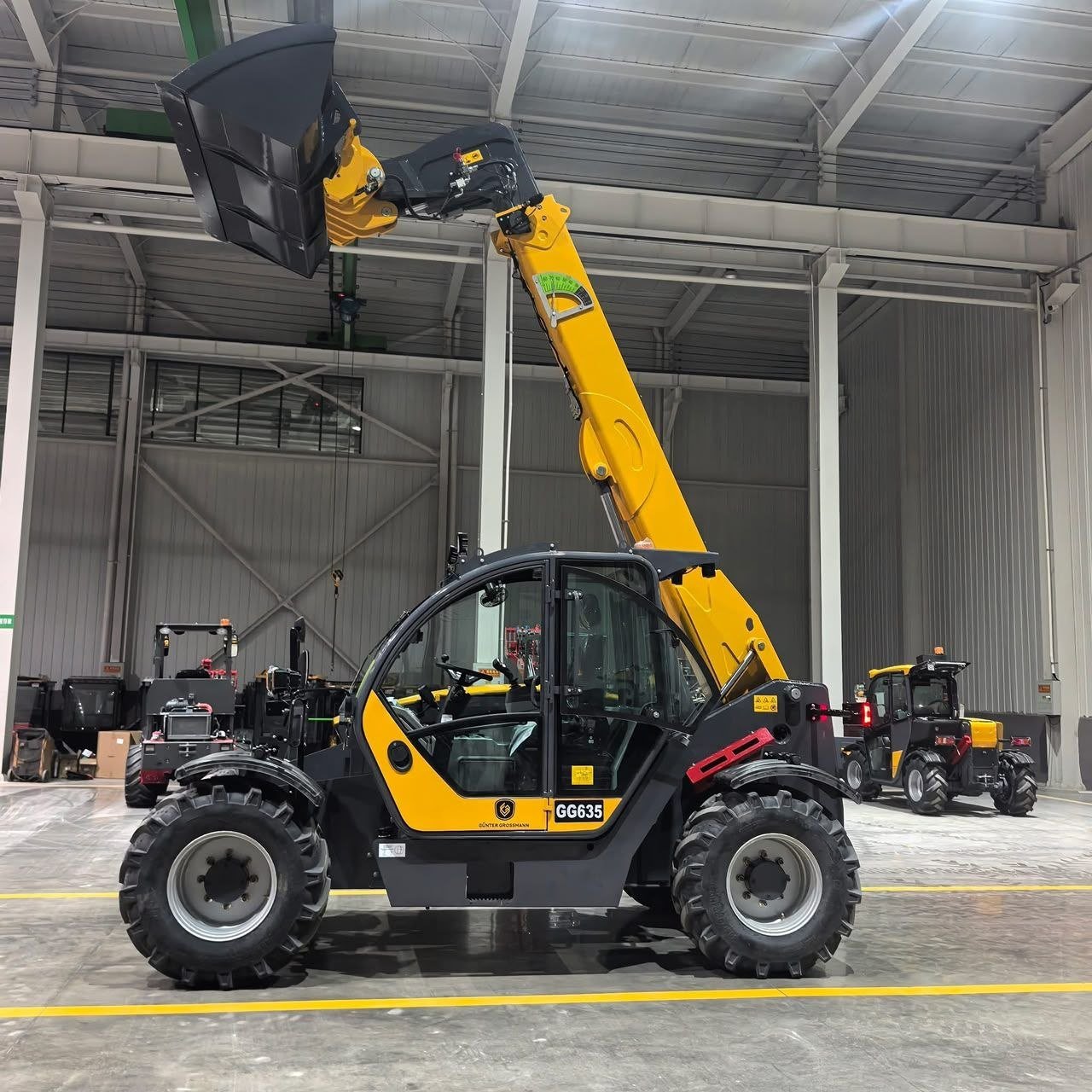
Professional tractor selection begins with the implements and work cycle. Engine power is important, but hydraulic capacity, transmission, PTO requirements and traction can be equally decisive.
List the heaviest regular implement and the operations the tractor will perform. Field work, transport, loader duties and utility tasks place different demands on gearing and tyre choice.
Start with the operating requirement
Cab comfort and visibility matter when the machine works long days, while overall dimensions can be important around buildings, orchards or restricted access.
When comparing used tractors, verify the actual configuration rather than assuming every machine in a model series carries the same equipment.
Key factors to compare
For this decision, focus on power requirement, transmission, hydraulics, PTO, tyres, implements and working environment. Treat these as connected factors rather than isolated specifications. A change in attachment, material, terrain or destination can alter what the best-fit machine looks like.
Build a practical buyer specification
Write down the work the equipment must perform, the conditions it will operate in, and the non-negotiable technical requirements. Separate essential specifications from preferences. This makes it easier to compare available machines without rejecting a suitable option for a minor difference.
Then review the relevant tractor equipment section and open individual product listings for current catalog information. For broader questions, the Heavy Equipment FAQ covers equipment, quotations, technical evaluation and international enquiries.
Think about transport before the final decision
Overall dimensions, operating weight and included attachments can influence loading and delivery planning. For international enquiries, provide the destination country and, where possible, the city or port so the commercial review has the right context.
Request the machine around your application
If the exact configuration is not shown in the live catalog, use our Request a Quote form. Include the model preference, application, quantity, destination and the technical details that cannot change. Heavy Duty Management can then review the requirement against available equipment and sourcing options.